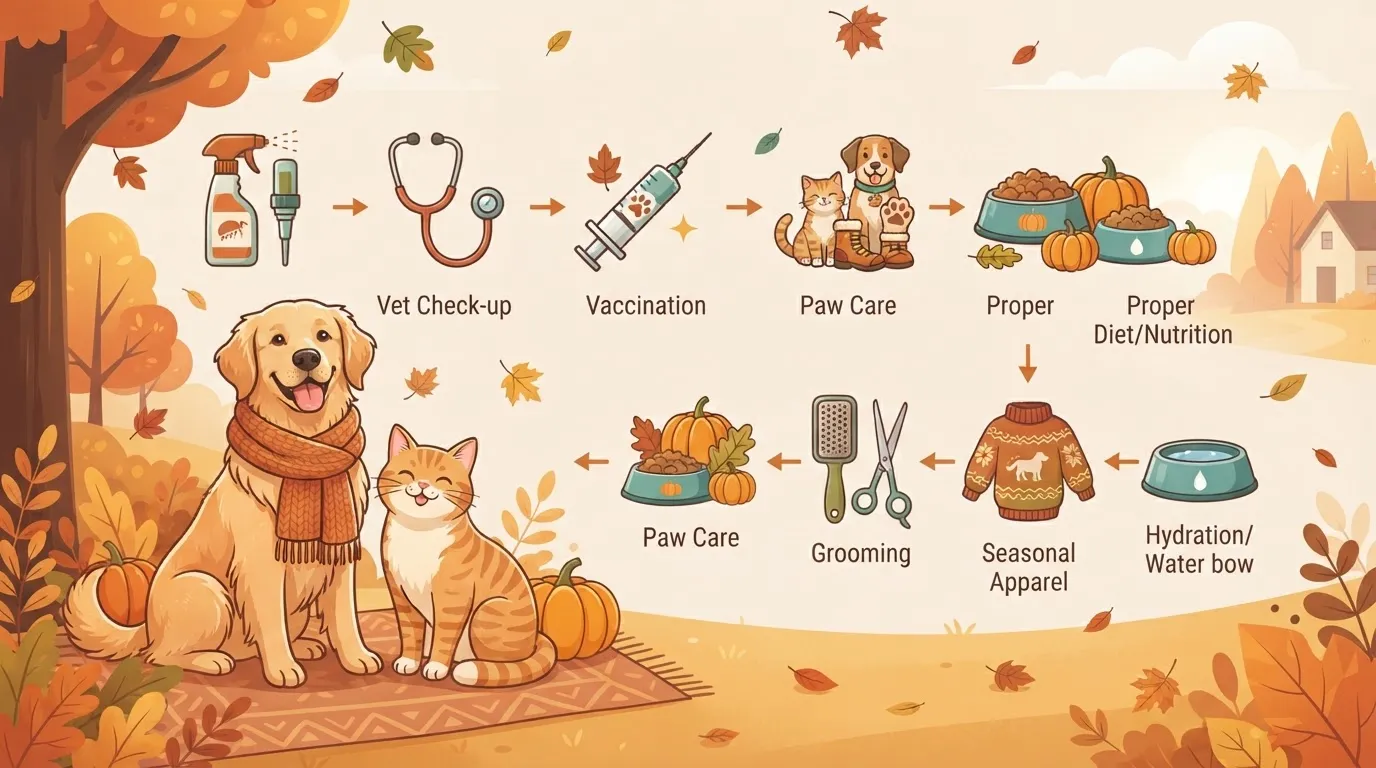
Seasonal changes require a little extra attention for dogs and cats: days become shorter, temperatures drop, and outdoor habits, activity levels and coat conditions can change. An autumn health checklist helps you notice small changes, maintain regular preventive care and prepare calmly for the cooler months.
Observe the coat and skin during shedding
Many pets go through seasonal shedding in autumn, with more noticeable hair loss. In dogs and cats, this can be normal, but it is useful to distinguish natural shedding from signs that should be discussed with a veterinarian.
Brush your pet regularly, choosing a tool suited to its coat type. This simple habit helps you:
- remove the undercoat and dead hair;
- reduce mats and dirt buildup;
- check for redness, scabs or parasites;
- notice any areas where the coat is becoming thinner.
For long-haired cats, consistent grooming can also reduce the risk of swallowing excessive amounts of hair during daily cleaning. Avoid frequent baths or products that are not specifically made for pets, as they may affect the skin’s protective barrier.
Contact your veterinarian if you notice persistent itching, an unpleasant odor, lesions, patchy hair loss or compulsive licking. These symptoms should not automatically be attributed to the seasonal change.
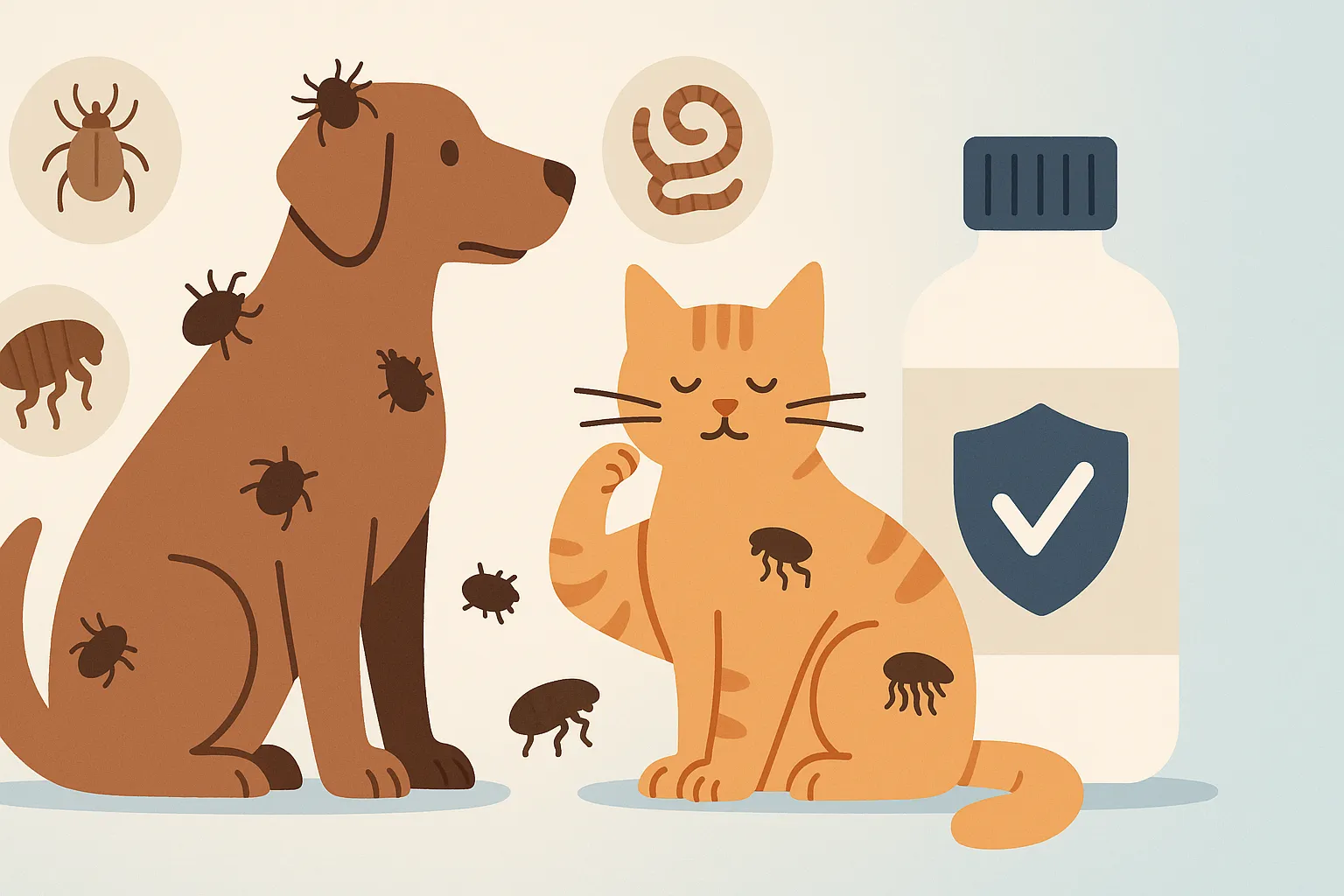
Update parasite prevention
Fleas, ticks and other parasites do not necessarily disappear when autumn arrives. Their presence varies depending on the area, temperatures, your pet’s habits and how often it visits parks, gardens or rural locations.
For effective prevention, check the following points:
- make sure the parasite treatment is still appropriate according to veterinary guidance;
- inspect the coat, ears, neck, armpits and spaces between the toes after outings;
- wash beds, blankets and other fabrics according to their care instructions;
- regularly remove leaves, debris and dirt from outdoor areas your pet uses;
- never use a product intended for one species on another, especially products made for dogs on cats or vice versa.
Your veterinarian can recommend the most appropriate plan based on your pet’s lifestyle. If you find a tick or suspect an infestation, avoid improvised remedies and ask for professional advice.
Adjust routine, exercise and nutrition
Seasonal changes for dogs and cats can also affect their daily routine. Rain, wind and fewer hours of daylight may reduce time outdoors, but they should not lead to inactivity.
For dogs, plan walks that suit the weather and carefully dry the paws, abdomen and coat after returning home. Pay attention to mud, puddles and residue from products used on roads and sidewalks. If you use raincoats or other clothing, choose models that do not restrict movement and keep them clean and dry.
For cats, especially those that live mostly indoors, offer searching games, vertical spaces and short interactive play sessions. Activity supports physical well-being and mental stimulation even when your cat spends more time inside.
Do not drastically change your pet’s diet simply because autumn has arrived. Instead, monitor weight, appetite, activity level and stool quality. Changes to the diet, portions or specific foods should be assessed with a veterinarian, particularly for senior pets, puppies, kittens or animals with known health conditions.
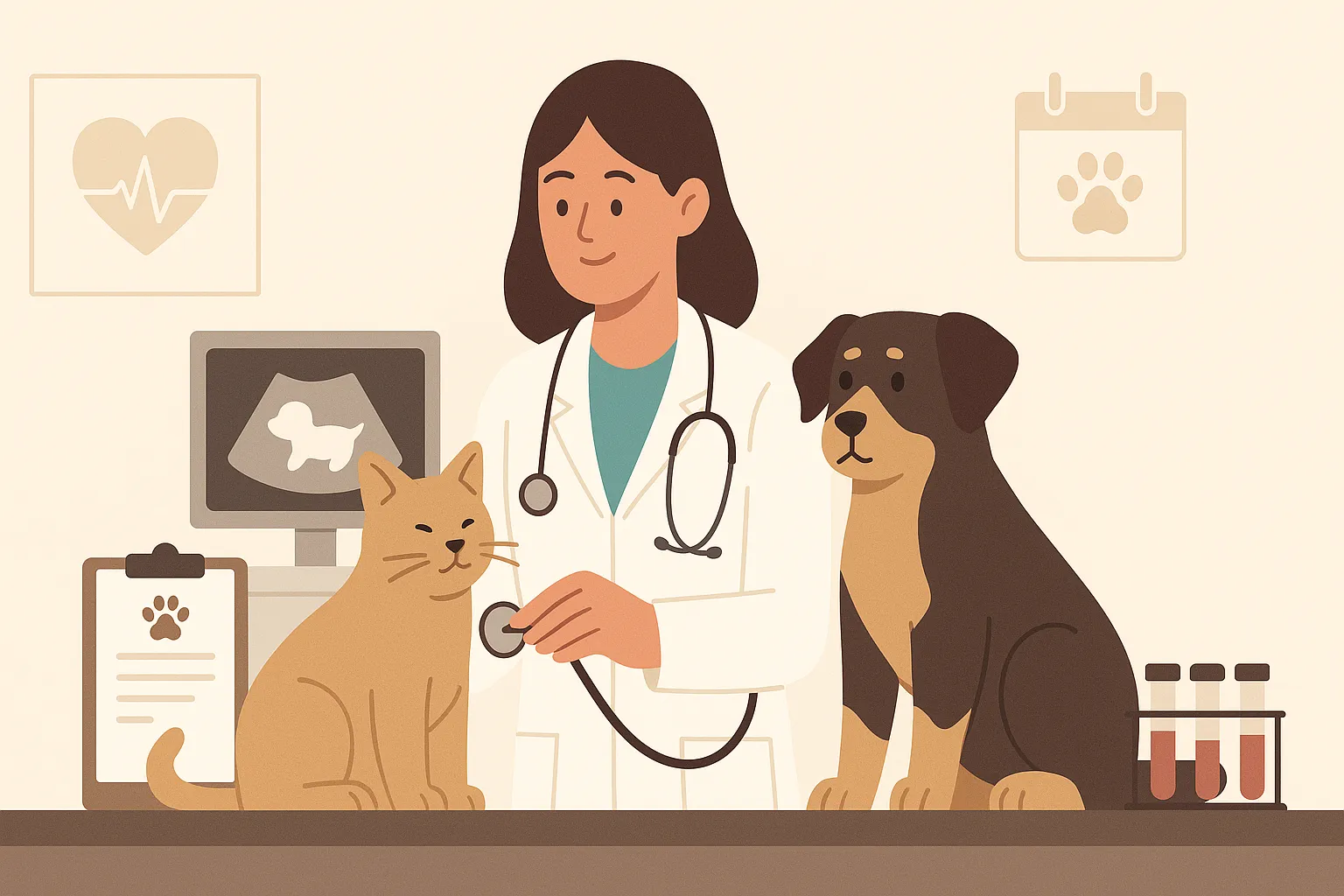
Plan checkups and prepare what you need
Pets’ health in autumn benefits from organized care. A preventive checkup may be useful if several months have passed since the last visit, if your pet is older or if you have noticed changes in behavior, weight or eating habits.
Complete a quick home check:
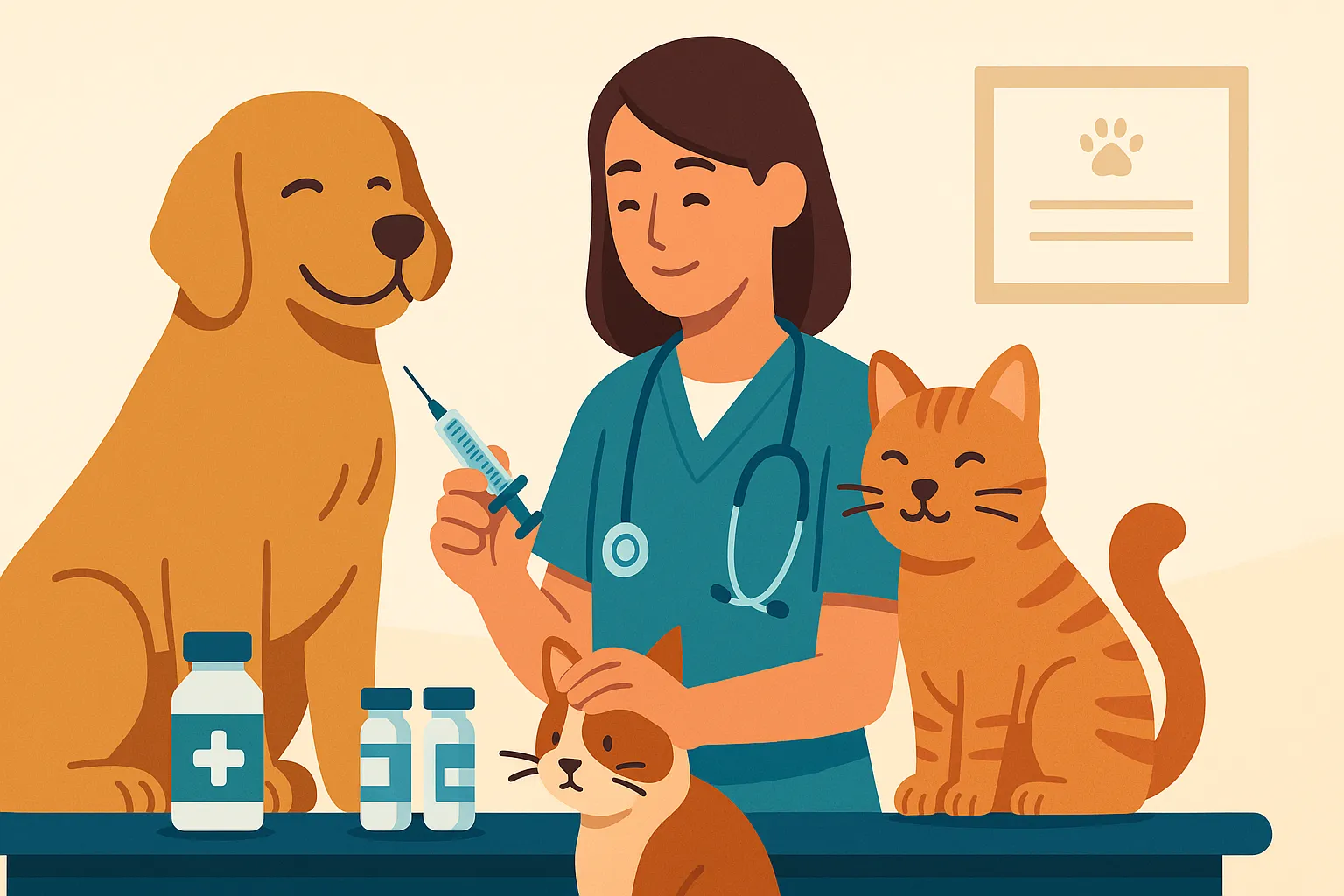
- Check the dates of vaccinations, health boosters and prescribed treatments.
- Make sure the microchip, identification tag and contact details are up to date.
- Restock your outing kit with a towel, water, waste bags and a light for evening walks.
- Check beds and blankets: they should remain dry, clean and protected from drafts.
- Note any symptoms, unusual episodes or questions to discuss with your veterinarian.
With PawsPet, you can organize reminders for appointments, treatments and regular checkups while keeping your dog’s or cat’s health information together.
FAQ about seasonal changes for dogs and cats
Is it normal for dogs and cats to lose more hair in autumn?
Often, yes: autumn shedding is common. However, if hair loss is localized or accompanied by itching, redness or lesions, it is advisable to contact your veterinarian.
Can I stop parasite treatment when the weather gets cooler?
Not without professional advice. Parasites such as fleas and ticks may remain active in autumn, depending on the area and weather conditions.
How can I protect my dog’s paws after a walk in the rain?
Dry the paws and the spaces between the toes thoroughly, remove mud or debris and check for cuts, redness or foreign objects.
An autumn pet checklist does not replace veterinary care, but it makes it easier to prevent everyday oversights. Use PawsPet to keep track of health, reminders and routines: every small regular check can support your companion’s well-being.