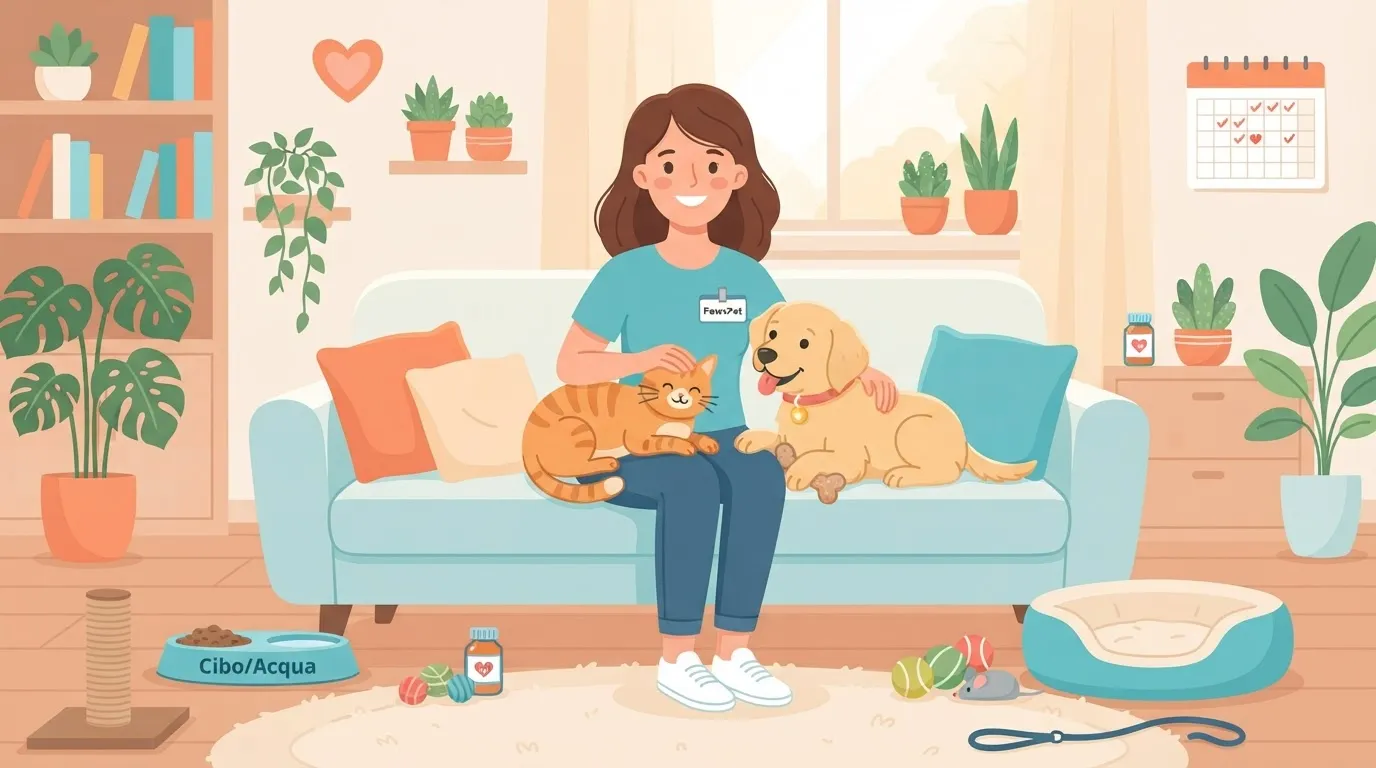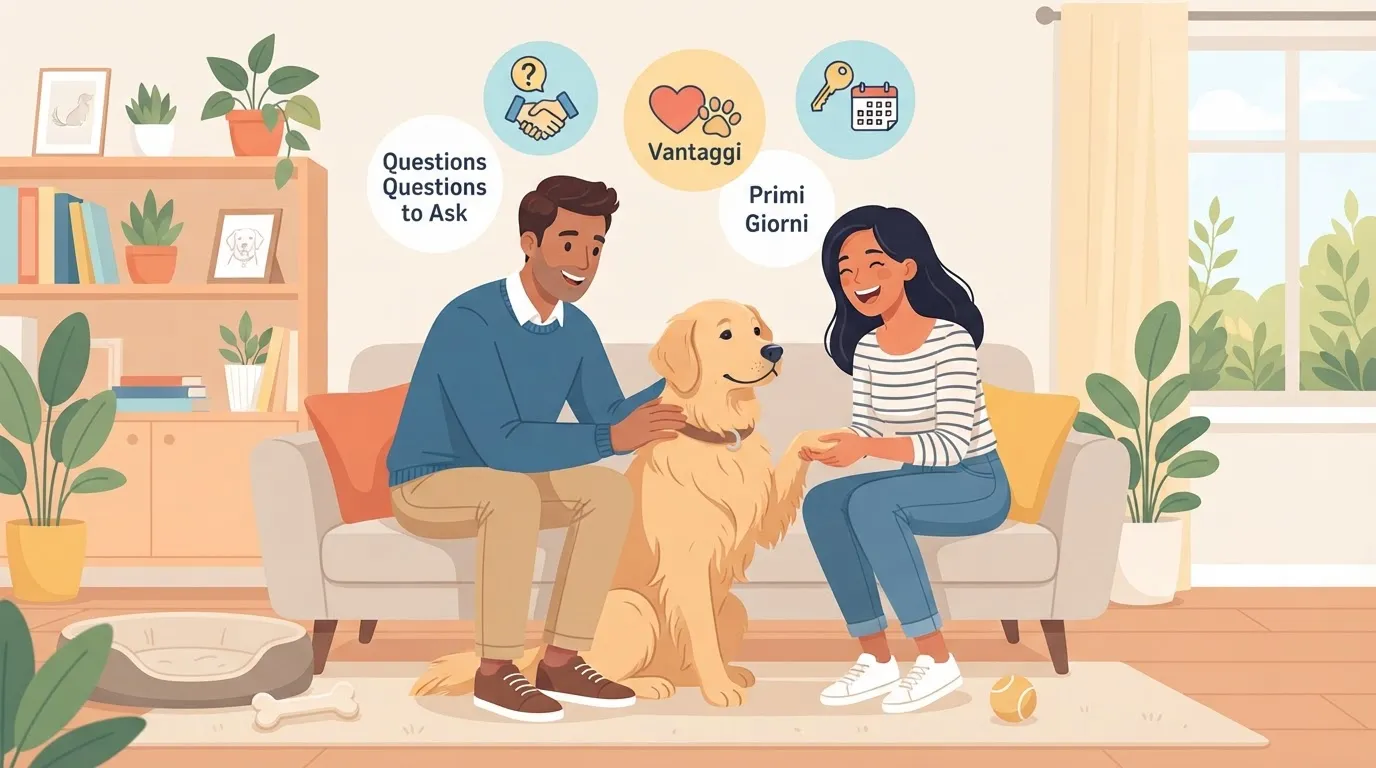
Adopting an adult dog means welcoming an animal with its own habits, experiences, and pace of adjustment. It can be a deeply rewarding choice when supported by clear information, realistic expectations, and a calm routine from the very first day.
A shelter dog does not need to “thank” its new family: it needs to feel safe and gradually understand what to expect in its new home.
The benefits of adopting an adult dog
One of the main benefits of adult dog adoption is the opportunity to get a clearer sense of the dog’s personality. Shelter staff, foster carers, or the rescue organization can often explain how the dog responds to people, other animals, noises, and everyday home life.
An adult dog may also already have useful skills, such as:
- being accustomed to walking on a leash or toileting outdoors;
- having a greater ability to stay calm for short periods;
- communicating more clearly than a puppy;
- having a more predictable energy level;
- requiring less management of teething and the exploration typical of the first months.
This does not mean the transition will automatically be easy. Even a well-balanced dog may appear shy, watchful, or disoriented in a new environment. Responsible adoption begins with the understanding that every early behavior should be interpreted patiently, without rushing to label the dog.
Questions to ask before adoption
The most useful dog adoption questions are not meant to find the “perfect” animal, but to understand whether the dog’s profile is compatible with the family, home, and time available.
Ask openly:
- What is the dog’s known history, and how long has it been in the shelter or foster home?
- How does it behave around men, women, children, and visitors?
- Has it lived with dogs, cats, or other animals?
- Can it stay alone? For how long, and how does it react?
- How does it cope with the leash, car rides, urban noises, and veterinary visits?
- Are there known fears, signs of stress, or situations the dog tends to avoid?
- Is it receiving treatment, does it need follow-up checks, or does it have specific dietary needs?
- Which routines, games, or approaches help it relax?
If possible, meet the dog more than once and take a walk together before bringing it home. Observe its body language: the distance it seeks, its posture, its interest in the surroundings, and its ability to recover after a small noise or an unfamiliar situation.
Preparing the home without overwhelming the dog
During the first days with an adopted dog, an overly busy home can be harder to manage than a simple, predictable space. Prepare a quiet area with a bed, fresh water, bowls, and a place where the dog can move away without being followed.
Before the dog arrives:
- Secure balconies, gates, windows, and outdoor access points.
- Remove cables, medication, cleaning products, small objects, and unsuitable foods.
- Plan walks and outings on routes that are initially quiet and less crowded.
- Decide who will handle meals, outings, and rest periods.
- Avoid immediately scheduling visits from friends, parties, or meetings with many dogs.
If other animals already live in the household, plan gradual, supervised introductions, preferably in a neutral space. Do not force them to share bowls, toys, or beds: every animal should be able to maintain a comfortable distance.
The first days: routine, observation, and gradual progress
A dog’s transition into a new home works best when the family slows the pace. During the first days, prioritize regular walks, meals at consistent times, and short but positive interactions. Let the dog approach you: petting, play, and physical contact should be offered, not imposed.
Avoid immediately asking for complex commands or perfect house manners. If the dog has an accident indoors, pulls on the leash, or struggles to rest, do not punish it: these may be responses to the stress of change. Instead, reward desired behaviors, such as toileting outdoors, relaxing in the bed, or looking at you during a walk.
Contact a veterinarian to arrange the necessary checkups and discuss questions about health, nutrition, or treatment. For persistent fears, aggressive reactions, or difficulties living together, a qualified dog trainer or a veterinarian with expertise in behavior can help define a suitable plan.
Keeping notes about meals, outings, treatments, and behavior changes can be useful: with PawsPet, you can organize health information and set reminders for appointments, treatments, and daily activities.
FAQ about adopting an adult dog
How long does it take an adult dog to settle in?
It depends on the dog’s history, temperament, and environment. Some dogs become curious right away, while others need weeks to relax. A consistent routine is more helpful than rushing the process.
Can a shelter dog learn new rules?
Yes. Adult dogs can learn new habits through consistent communication, positive reinforcement, and gradual goals. It is important to respect the dog’s pace and not interpret early difficulties as failures.
Should I change an adopted dog’s food immediately?
Not necessarily. A sudden change can cause digestive problems. Ask what the dog was eating before and speak with your veterinarian about whether gradual changes are appropriate, especially if the dog has specific needs.
Welcoming an adult dog is a process built day by day: observe, adjust the routine, and ask for support when needed. With PawsPet, you can keep health information, reminders, and activities organized, leaving more space for your relationship with your new companion.